
Raccoon Removal in Texas
Raccoon calls are matched by ZIP code. Where no operator works at the address, the call stays with Local Core Group, which runs this site.
Raccoon removal in Texas is private work, and a call here is passed to an independent operator where one works at your address.
Texas Parks and Wildlife lists attics and outbuildings among the places raccoons den. State law treats the raccoon as a fur-bearing animal, and that decides what anyone may do with one once it is caught.
What should I do about a raccoon in my attic in Texas?
Note where and when you hear it, and keep people and pets away from it. Do not try to drive a live raccoon somewhere else: a statewide rabies quarantine makes transporting one illegal for most people. Then call. The operator who takes the job inspects and explains the method.
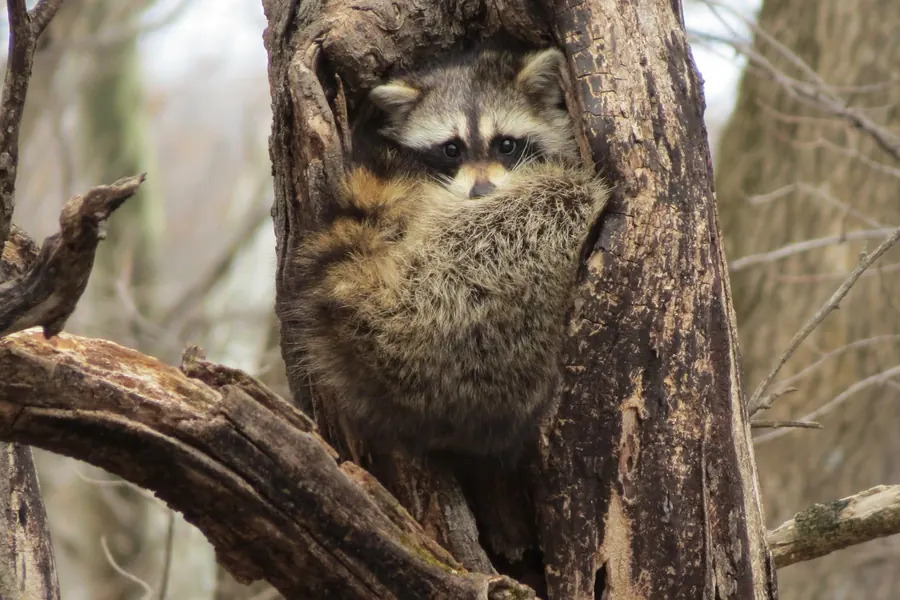
Where do raccoons den in a Texas house?
Texas Parks and Wildlife names attics and outbuildings as den sites. Its raccoon page does not mention chimneys.
A city page does. Dallas Animal Services describes a chimney with no cap as a way in for raccoons and squirrels (page as captured September 28, 2026). If the noise is low in a wall beside the fireplace, say so on the call.
When are young raccoons likely in an attic?
Texas Parks and Wildlife gives raccoon mating as mid-to-late summer, with up to four cubs born 60 to 74 days later. This page adds no dates of its own.
If you hear high chattering or crying as well as heavy movement, say so. Ask the operator how young in the attic change the plan.
What does Texas law say about a nuisance raccoon?
- It is a fur-bearing animal. The Parks and Wildlife Code lists the raccoon with the opossum, skunk and fox (Section 71.001).
- A landowner may take one that is causing damage. The code leaves a landowner, or someone acting for the landowner, free to take a fur-bearing animal that is causing damage on that land (Section 71.004). Texas Parks and Wildlife says no hunting or trapping license is needed for that.
- It may not be kept or sold. The department says an animal taken this way cannot be kept, and neither can its pelt.
- Moving it elsewhere takes written authorization. Releasing a captured fur-bearer on another property needs a letter from the department’s Wildlife Division, the consent of the owner of that property, and monthly reports.
- Transport is restricted statewide. A rabies quarantine rule makes it illegal to transport a live raccoon, fox, skunk or coyote in Texas (25 Texas Administrative Code, Section 169.34). The rule lists who is exempt.
The operator who takes a job answers for following these rules. Ask which exemption or authorization they work under.
Will the city remove a raccoon from my attic?
Not in the five cities read for this site. Houston, Dallas, San Antonio, Austin and Fort Worth each say the city does not trap a healthy wild animal in an attic. Fort Worth still looks into raccoons, which it lists among high-risk rabies animals, where a person or pet may have been exposed (page as captured May 3, 2026).
The city lookup gives each city’s answer and the date its page was read.
What happens when I call about a raccoon?
You describe the noise and give your ZIP code. Where an independent operator works at that address, the request goes to that operator, who inspects, names the entry point and gives a price before starting. This site takes no part in the job.
What your city does
City animal services in Texas mostly leave a healthy animal in an attic to the owner and a private company, but each city draws its own line on bites, sick animals and bats.
Questions
Can I trap a raccoon myself in Texas?
State law lets a landowner take a fur-bearing animal that is causing damage on that land, but the animal may not be kept or sold, and a statewide quarantine rule bars most people from transporting a live raccoon. Cities can be stricter. Houston’s BARC page tells residents not to trap and move wild animals unless the state has licensed and authorized them.
Is a raccoon in the attic a rabies risk?
No source read for this page gives a rate. Fort Worth and Dallas both list raccoons among the animals most associated with rabies. If a raccoon bit or scratched someone, Texas law has that reported to the local rabies control authority, and a doctor decides about treatment.
What this page rests on
Each link opens the page or statute a fact here came from, with the date it was read. A title that names an Internet Archive capture was read from that saved copy, not from the live page.
- Raccoon (Procyon lotor)Texas Parks and Wildlife Department
- Parks and Wildlife Code, Chapter 71 (fur-bearing animals), Sections 71.001 and 71.004Texas Legislature (Texas Constitution and Statutes)
- Nuisance Fur-bearing Animals (Outdoor Annual)Texas Parks and Wildlife Department
- Fur-bearing Animal Regulations: General RegulationsTexas Parks and Wildlife Department
- Fur-bearing Animal PermitsTexas Parks and Wildlife Department
- 25 Texas Administrative Code Section 169.34 (statewide rabies quarantine)Texas Secretary of State (Texas Administrative Code)
- Health and Safety Code, Section 826.041 (reports of rabies)Texas Legislature (Texas Constitution and Statutes)
- Wildlife (Internet Archive capture of September 28, 2026)City of Dallas, Dallas Animal Services
- Wild Animals (Internet Archive capture of May 3, 2026)City of Fort Worth, Code Compliance (Animal Care & Control)
- Wild Animals in the City of HoustonCity of Houston, BARC Animal Shelter and Adoptions
How this page was checked
- Last checked
- , by Local Core Group, against the pages and statutes listed here
- Method
- How pages on this site are researched and written
- Sources
- One page lists everything the site relies on: all sources
This page is general information for Texans. It is not legal or medical advice and not an inspection of your house. Facts from state and city pages are restated in this site’s own words and linked; where a city page was read from a dated archive copy, the page says so. The operator who takes a job answers for following state and city rules.
Corrections. If a line here is wrong or a source has changed, name the page and the line through the contact form or call 512-434-0107. A correction that checks out against the source is made, and the page gets a new date.
Other pages that may fit
Animals in the attic
Which animals Texas sources place in attics, where rats and birds stand, and what to ask about insulation and chimneys.
Animals in the attic →Opossum removal
An opossum inside the house or attic. Yards and decks are outside what this page covers.
Opossums →Squirrel removal
Game animals under Texas law. This page is short, because the state pages read say little about one in a building.
Squirrels →Bat removal
What to do when a bat is in a room with people, what state law allows, and when pups are in the roost.
Bats →Call about what you hear
Give the sound, the part of the house and your ZIP code. The request is passed to an independent operator where one works at that address.